

Through my blog posts, I’ll share personal reflections on the topics that come up during my travels, along with insights and tips on some of my favorite spots around the world, all to help make your own adventures even more meaningful.
The Spanish Coast You’ve Never Heard Of: An 11-Day Road Trip from Valencia to Barcelona
Underground rivers, volcanic islands, cliffside castles, and Roman ruins by the sea—this is the Mediterranean as you’ve never seen it. While most travelers rush between Valencia and Barcelona, they miss the incredible stretch of coastline that lies in between. I live here, and I’ve mapped out a 2-week road trip that winds through thermal springs, medieval towns, hidden beaches, and cliffside castles that rarely make it into guidebooks. If you’re ready to go beyond the tourist trail and explore the wild, beautiful, and often overlooked heart of coastal Spain, this itinerary is for you.
Underground rivers, volcanic islands, cliffside castles, and Roman ruins by the sea—this is the Mediterranean as you’ve never seen it. While most travelers rush between Valencia and Barcelona, they miss the incredible stretch of coastline that lies in between. I live here, and I’ve mapped out a 2-week road trip that winds through thermal springs, medieval towns, hidden beaches, and cliffside castles that rarely make it into guidebooks. If you’re ready to go beyond the tourist trail and explore the wild, beautiful, and often overlooked heart of coastal Spain, this itinerary is for you.
Day 1: Arrive in Valencia and settle in

Evening magic in Valencia’s Old Town — where golden light, Gothic arches, and quiet cobbled streets invite you to slow down and savor the charm
Start your adventure in Valencia, where ancient city walls blend with futuristic architecture. After checking in, head out on foot to explore the historic heart of the city. Wander through the labyrinthine streets of El Carmen, admire the mix of Moorish and Gothic details in the Valencia Cathedral, and climb the Micalet bell tower for panoramic views across the rooftops.
Why I recommend it:
Valencia is one of Spain’s most vibrant and walkable cities. Day one gives you a perfect introduction to its history, architecture, and laid-back Mediterranean energy. You’ll get a sense of place without needing to rush, making it ideal for arrival day.
Insider tip:
Grab a horchata (a traditional Valencian drink made from tiger nuts) at a local horchatería like Santa Catalina. It’s refreshing, local, and perfect for an afternoon break.
Day 2: Discover Valencia’s modern side

City of Arts and Sciences at dusk — Valencia’s futuristic masterpiece reflected in still waters
Today is about diving into Valencia’s bold, modern identity. Start your morning at the City of Arts and Sciences, a futuristic complex with striking architecture designed by Santiago Calatrava. Depending on your interests, you can tour the interactive science museum, catch a 3D film at the Hemisfèric, or explore Europe’s largest aquarium, the Oceanogràfic, home to beluga whales, jellyfish, and sea lions.
In the afternoon, rent a bike or enjoy a leisurely stroll through the Turia Gardens, a sunken park created from a diverted riverbed. It winds through the city like a green ribbon and offers shaded pathways, fountains, and playgrounds.
In the evening, head to the neighborhood of Ruzafa, one of Valencia’s trendiest districts. This area is filled with independent shops, art spaces, and some of the city’s best restaurants. It’s a great place to get a feel for local life away from the tourist core.
Why I recommend it:
Valencia’s modern identity is every bit as fascinating as its historic past. This day shows off the city's commitment to green spaces, innovation, and the arts in a way that makes it feel utterly alive and forward-looking.
Insider tip:
If you’re visiting in summer, consider timing your visit to the Oceanogràfic for late afternoon—it stays open late and is beautifully lit at night, making for a cool break from the heat and a magical evening experience.
Day 3: Coves de Sant Josep

Glide by boat or kayak through the surreal beauty of Coves de Sant Josep — Europe’s longest navigable subterranean river
Leave Valencia in the morning and head toward Coves de Sant Josep, home to the longest navigable underground river in Europe. Take a tranquil boat tour through the subterranean caves, gliding past dramatic rock formations and sparkling turquoise waters. For adventurous travelers, the espeleokayak experience offers the chance to paddle your own way through this otherworldly environment.
Why I recommend it:
There is nothing quite like floating through a mountain on an underground river. It’s a surreal, serene, and truly off-the-radar highlight of the region.
Insider tip:
Book your cave tour in advance, especially in summer months, and bring a light jacket—it stays cool inside year-round.
Day 4: Montanejos

Cool off in the crystal waters of Montanejos — where forest cliffs and thermal springs meet for the perfect inland beach day
Drive a little inland into the Alto Mijares region and spend the day in the wellness town of Montanejos. Start with a dip in the Fuente de los Baños, a hot spring-fed river that stays at a constant 25°C year-round. Then hike one of the dramatic canyon trails that surround the town. If you're up for it, take the path along the narrow gorge to see waterfalls and panoramic cliffs. For thrill-seekers, Montanejos also offers river rafting and aquatic canyoneering experiences, making it a fantastic destination for outdoor adventure.
Why I recommend it:
Montanejos is a hidden gem in the mountains with natural thermal waters, rugged beauty, and peaceful vibes. It’s a favorite spot for Valencians but rarely visited by international travelers.
Insider tip:
Arrive early if visiting on a weekend, as the river pools are popular with locals. Bring water shoes for comfort and grip on rocky trails.
Day 5: Benicàssim

Beach day done right in Benicàssim — soft sands, turquoise waves, and the soothing rhythm of the Mediterranean
After your inland adventures, return to the coast for a relaxing reset in Benicàssim. Known for its beaches backed by green hills and pine forests, Benicàssim offers the perfect balance of sun, sea, and scenery. Stroll the Vía Verde del Mar, a clifftop walking and biking trail with sweeping Mediterranean views. If time allows, visit the Desierto de las Palmas, a natural park and former monastery with hiking trails and spectacular vistas.
Why I recommend it:
Benicàssim gives you a gentle re-entry into coastal life with a healthy dose of nature, history, and beachside relaxation—ideal after two active inland days.
Insider tip:
Stop at the Voramar Hotel for a beachside meal with a view. If you’re staying there (which I recommend), you can borrow their bikes and take them up the Vía Verde for a breezy ride along the cliffs.
Day 6: Peñíscola
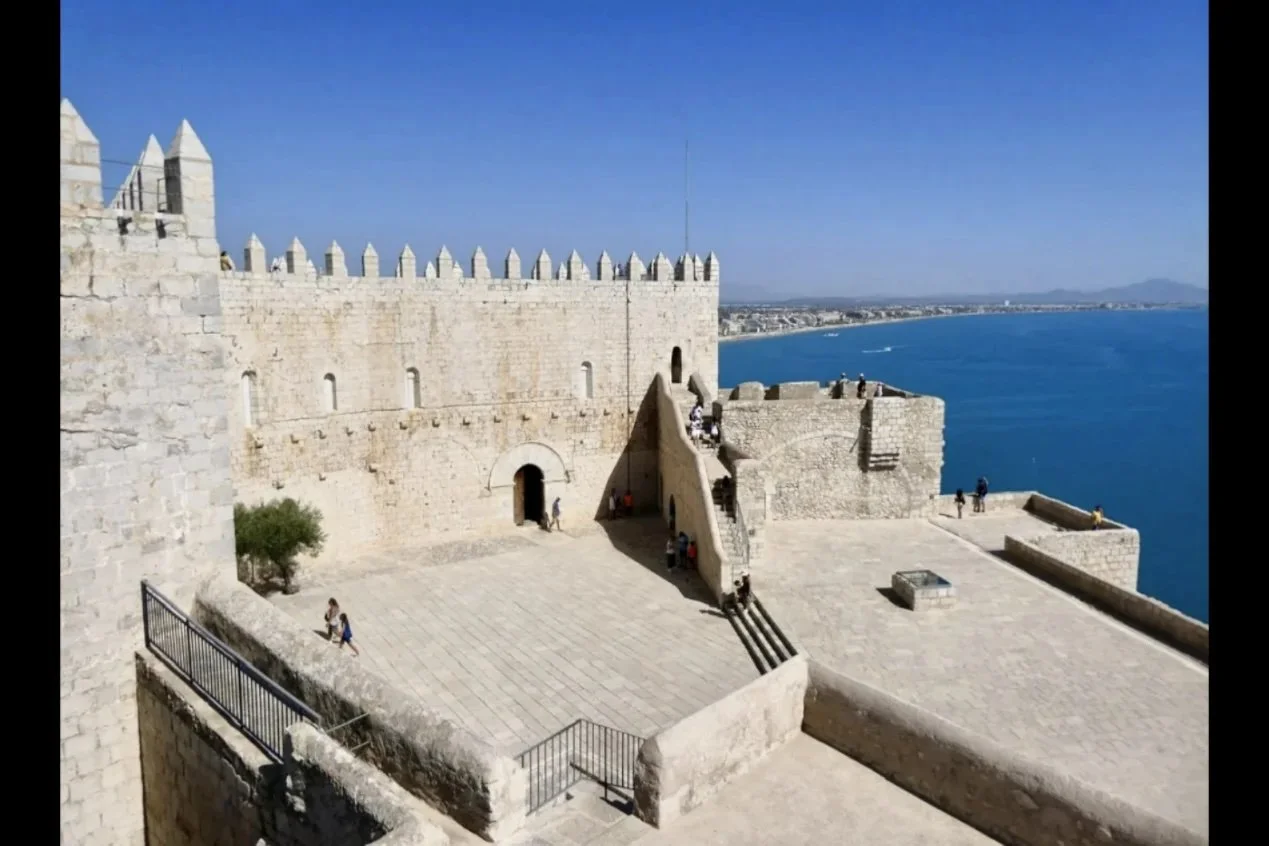
Step into history at Peñíscola Castle — a seaside fortress with sweeping Mediterranean views and centuries of intrigue
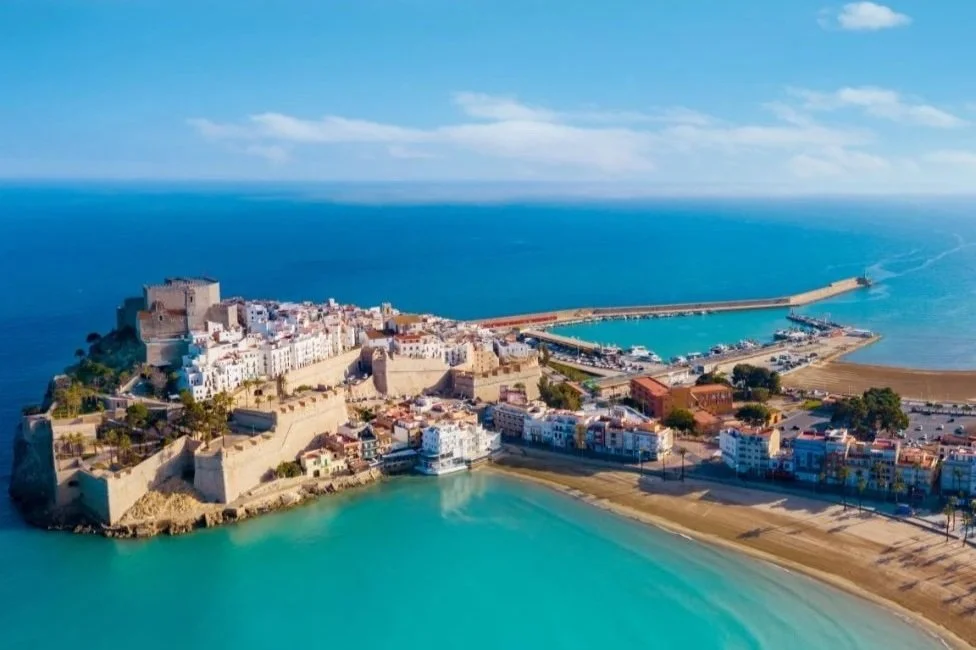
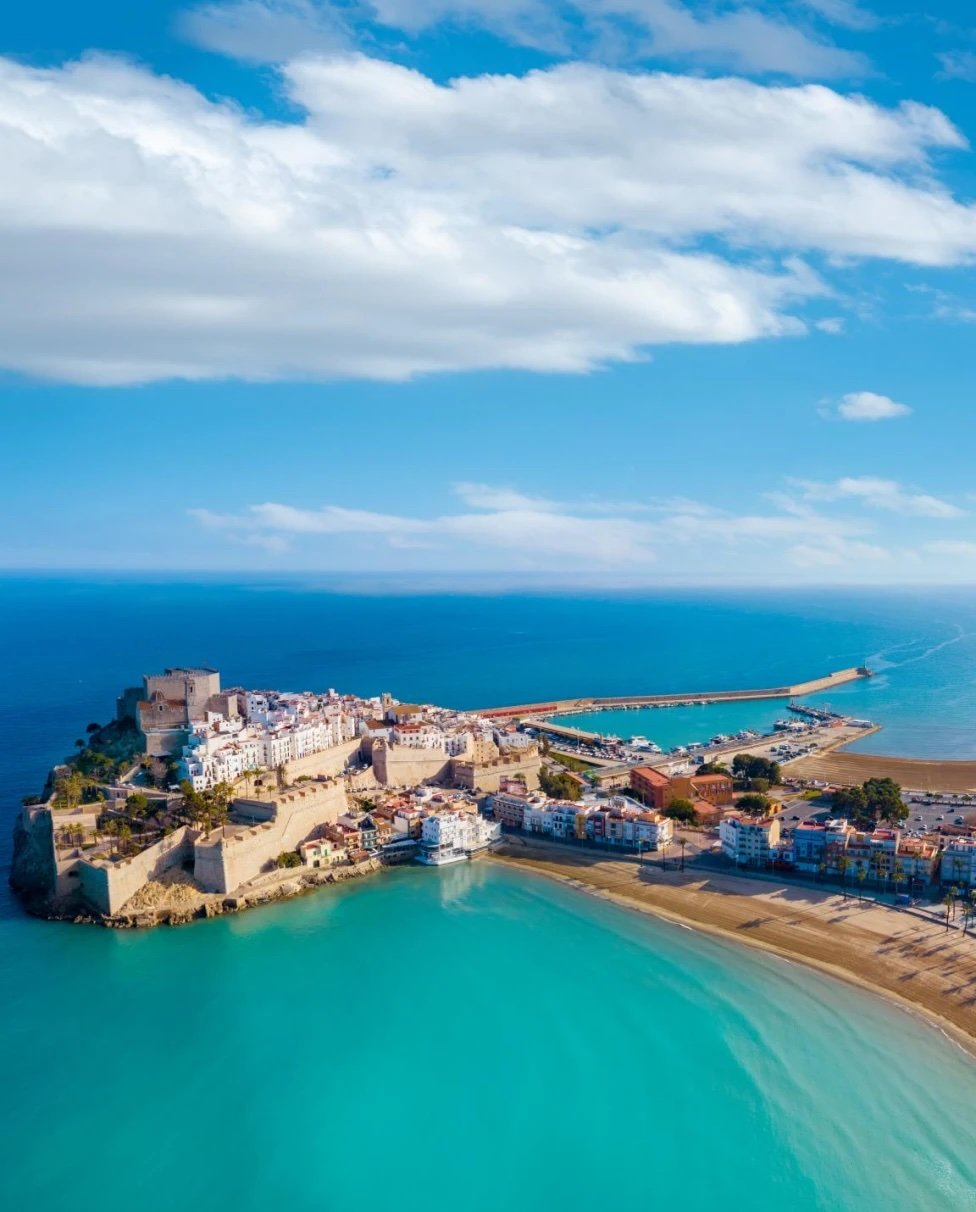
Continue north along the coast to Peñíscola, one of Spain’s most cinematic coastal towns. Its historic old town juts out into the sea on a rocky peninsula crowned by a Templar castle—once home to a rebellious pope. Spend your afternoon wandering the cobbled streets, exploring the fortress, and enjoying views over the Mediterranean.
Why I recommend it:
Peñíscola offers a blend of history and drama that’s hard to beat. The castle, beaches, and old town make it one of the most picturesque stops on the route.
Insider tip:
Try to catch the castle near sunset for spectacular lighting and fewer crowds. The local specialty here is grilled octopus—look for it on the menu!
Day 7: Columbretes Islands

Sail to the wild beauty of the Columbretes — a volcanic island chain surrounded by sapphire seas and protected marine life
Take a full-day excursion to the Columbretes Islands, a remote volcanic archipelago and marine reserve located off the coast. Boats typically depart from Castellón or Alcossebre, and many tours include a guided hike on the largest island and time for snorkeling in crystal-clear waters teeming with marine life. These islands are uninhabited and protected, offering a unique window into Mediterranean biodiversity.
Why I recommend it:
The Columbretes are wild, beautiful, and almost untouched by tourism. It's a rare chance to explore a remote natural wonder that few travelers ever see.
Insider tip:
Tours are weather-dependent and spots are limited, so it’s best to book early and check forecasts. Pack sunscreen, a hat, and plenty of water—there’s no shade or services on the islands.
Return to Peñíscola or stay in nearby Alcossebre for the night to rest up after your sea adventure.
Day 8: Tarragona (first day)

Tarragona’s Roman amphitheatre — ancient history with a sea view, where gladiators once battled just steps from the beach
Head north to Tarragona, a seaside city where ancient Roman ruins stand proudly beside golden beaches. Start with a visit to the amphitheater, dramatically perched above the sea, and then explore the Roman circus and city walls. Walk along the Rambla Nova, the main boulevard, until you reach the Mediterranean Balcony, a scenic overlook that locals believe brings good luck if you touch its iron railings.
Why I recommend it:
Tarragona blends rich Roman history with a relaxed coastal vibe. It’s far less crowded than Barcelona and full of genuine Catalan character, making it the perfect midpoint for your northern stretch.
Insider tip:
Buy a combined ticket for Tarragona’s Roman sites—it covers multiple attractions and saves money. For dinner, opt for a seaside spot near El Serrallo, the fisherman’s quarter, for incredibly fresh seafood
Day 9: PortAventura Theme Park (second day in Tarragona)

Sky-high thrills by the sea — PortAventura delivers pure adrenaline on Spain’s Mediterranean coast
Spend your second day based in Tarragona at PortAventura World, one of Europe’s best theme parks and a favorite for families, thrill-seekers, and roller coaster aficionados. The park is divided into themed areas like the Mediterranean, Polynesia, China, and the Far West, each packed with attractions, shows, and food experiences. Don’t miss Shambhala, one of the tallest roller coasters in Europe, or Angkor, a water ride perfect for cooling off.
Why I recommend it:
After a week of cultural sightseeing and nature adventures, PortAventura adds pure fun and adrenaline to the mix. It’s just 15 minutes from Tarragona and makes for a perfect change of pace.
Insider tip:
Buy tickets in advance and consider the Express Pass if you’re visiting in the summer—lines can be long. Arrive early and head straight to the major rides first to beat the crowds.
Day 10: Barcelona (first day)

Wander where the locals do — tree-lined streets, tucked-away shops, and the soul of Barcelona in every step
Arrive in Barcelona and skip the overdone checklist. Instead of starting with the Sagrada Familia, start your experience in Gràcia, a neighborhood of leafy plazas, artisan boutiques, and cafés with personality. Walk its narrow streets, sip vermouth on a terrace, and get a feel for the authentic daily rhythm of the city.
Later, climb to the Bunkers del Carmel, a former Civil War site turned panoramic lookout. It’s one of the best places to watch the sunset over the whole of Barcelona—from the sea to the mountains.
Why I recommend it:
These two spots capture the energy, creativity, and perspective that makes Barcelona unforgettable, without the crowds.
Insider tip:
Pack a picnic for the Bunkers (wine, cheese, local bread), but go early—locals love it, and it fills up fast.
Day 11: Barcelona (second night)

Step into Picasso’s world — from early sketches to bold masterpieces, the museum traces the genius behind the brush
Spend your final day in the El Born district, one of the city's most charming and stylish quarters. Visit the Picasso Museum or the historic El Born Centre de Cultura i Memòria, then get lost in the maze of medieval streets, browsing galleries and stopping for excellent tapas. If you’re up for one last scenic view, end your trip with a coastal hike or beachside lunch in Garraf Natural Park, just a short train ride away.
Why I recommend it:
El Born offers depth, intimacy, and delight at every turn—and Garraf’s coastal cliffs give you a peaceful, reflective end to your adventure.
Insider tip:
The restaurant Mirador de les Caves near Garraf makes for a memorable final meal with sweeping views over the vineyards and sea.
Need to know
Buy local in villages. Small towns like Villafamés and Zucaina often have just one shop or market. Buying bread, fruit, or cheese from them is a great way to support the local economy—and sometimes the only way to stock up.
Don’t rely on Google Maps alone. It often misses hiking trails or gets confused in medieval town centers. Check trail apps or ask your hotel for printed maps—locals love to help.
Afternoon shutdown is real. From 2–5 pm, towns can feel deserted. This is the perfect time to take a siesta, hit the beach, or enjoy a long lunch—then explore once things reopen.
Picnic like a local. Many of the best views—atop the Bunkers in Barcelona, the cliffs in Benicàssim, or the coves near Peñíscola—are best enjoyed with snacks and a bottle of wine you picked up earlier that day.
Expect the unexpected. A medieval festival, a mountain storm, a local striking up conversation at a bar—this trip is designed to leave space for discovery. Leave room in your days (and your plans) for spontaneity.
This itinerary is your invitation to experience the unexpected side of Spain’s Mediterranean coast—one village, one view, and one unforgettable moment at a time.


Island Hot List: European Summer Escapes for Every Vibe
When it comes to summer escapes, not all islands are created equal — and that's half the fun. Maybe you're chasing sun-drenched hikes and wild coastlines, or maybe you’re just looking for a low-key beach where the biggest decision is rosé or spritz. Here’s my cheat sheet to finding the island (and the vibe) that matches your mood.

When it comes to summer escapes, not all islands are created equal — and that's half the fun. Maybe you're chasing sun-drenched hikes and wild coastlines, or maybe you’re just looking for a low-key beach where the biggest decision is rosé or spritz. Here’s my cheat sheet to finding the island (and the vibe) that matches your mood.
For nature lovers: Madeira

Image courtesy of Reid's Palace, A Belmond Hotel, Madeira
Floating in the Atlantic off the coast of Portugal, Madeira is a rugged island of dramatic cliffs, waterfalls and dense laurel forests. Hike the island’s levada trails — over 2000km of narrow irrigation channels that wind through forest, past waterfalls and up into cloud-covered peaks. Head to Cabo Girão for a glass-floored viewpoint (one of Europe’s highest sea cliffs, 580m above the ocean) or rise early to catch the sunrise above the clouds at Pico do Arieiro. Whale and dolphin watching is a must (you can often spot pilot whales and bottlenose dolphins just off the coast), and a swim in the volcanic rock pools of Porto Moniz is a refreshing reward after a day on the trails. Back in Funchal, wander the botanical gardens or sample the island’s fortified wine at Blandy’s.
Insider tip: The island's microclimates mean that one side of Madeira can be completely sunny while the other is shrouded in mist. If you’re exploring, take a jacket or sweater just in case — especially if you're heading up to the mountains for a hike.
Where to stay in Madeira
Reid’s Palace, A Belmond Hotel. A pink-hued clifftop classic since 1891, serving up old-school glamour, knockout Atlantic views and one of the dreamiest afternoon teas in Europe.
Fora’s Belmond Bellini Club partner perks include a hotel credit, a welcome amenity, daily breakfast and an upgrade whenever possible.
For adventure seekers: Sardinia
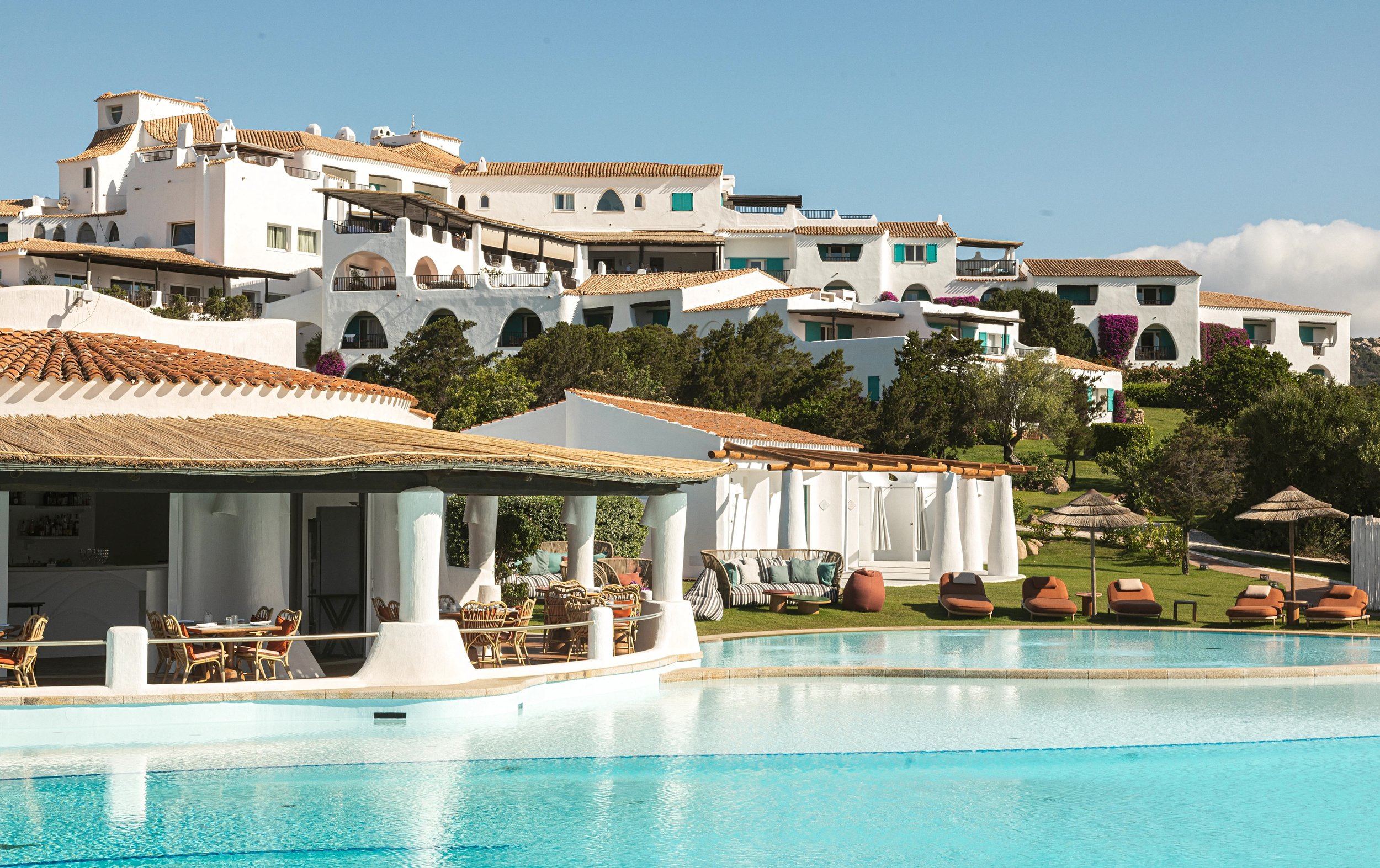
Image courtesy of Romazzino, A Belmond Hotel, Costa Smeralda
Sardinia serves up both adrenaline and elegance in equal measure - perfect for those who crave adventures without sacrificing style. On the northern coast, Porto Pollo is a mecca for kite surfers, while divers head to the limestone caves off Tavolara and Capo Caccia for underwater arches and shipwrecks. Hikers can tackle the Selvaggio Blu, a multi-day coastal trek that’s one of Italy’s toughest (and most rewarding), or explore gentler paths through the Gennargentu mountains, where you’ll stumble on Bronze Age ruins, mountain goats and views that stretch for miles. Inland villages like Orgosolo offer a glimpse of old Sardinian life, complete with hand-painted murals and slow lunches of suckling pig and Cannonau wine. And for some glam between hikes and boat trips, head north to Costa Smeralda where Porto Cervo’s designer boutiques, yacht-filled marinas and chic beach clubs bring the island’s luxe side to life.
Insider tip: Skip August if you can — July and September offer better weather, fewer crowds and warmer sea temperatures. And rent a car — the island's hidden gems are best discovered off the beaten path.
Where to stay in Sardinia
Romazzino, A Belmond Hotel, Costa Smeralda. A whitewashed beauty on Costa Smeralda, known for its handcrafted Sardinian design, turquoise bay and relaxed Riviera glamour.
Fora’s Belmond Bellini Club partner perks include a hotel credit, a welcome amenity, daily breakfast and an upgrade whenever possible.
For a family vibe: Mallorca

Mallorca ticks all the boxes for a family getaway. The island’s soft-sand beaches — like Playa de Muro and Cala d'Or — have calm, shallow waters perfect for little swimmers, and boat trips reveal hidden coves perfect for snorkelling and paddleboarding. Off the sand, there are water parks (Aqualand El Arenal is the island’s largest), gentle hikes in the Serra de Tramuntana and charming towns like Alcudia, where kids can roam cobbled streets and bustling markets. Getting around is a breeze thanks to the island’s compact size, and you’ll find a warm, kid-loving welcome everywhere — plus plenty of restaurants catering to younger palates.
Insider tip: For a quieter retreat, hop on a ferry to Formentera — a stunning, car-free island known for its crystal-clear waters, unspoiled beaches and peaceful atmosphere.
Where to stay in Mallorca
Four Seasons Resort Mallorca at Formentor. A glamorous comeback on the island’s northern tip — think pine forests, postcard beaches and polished Mediterranean style.
When you book Four Seasons with a Fora advisor, you will enjoy exclusive Four Seasons Preferred Partner amenities.
For nightlife lovers: Hvar
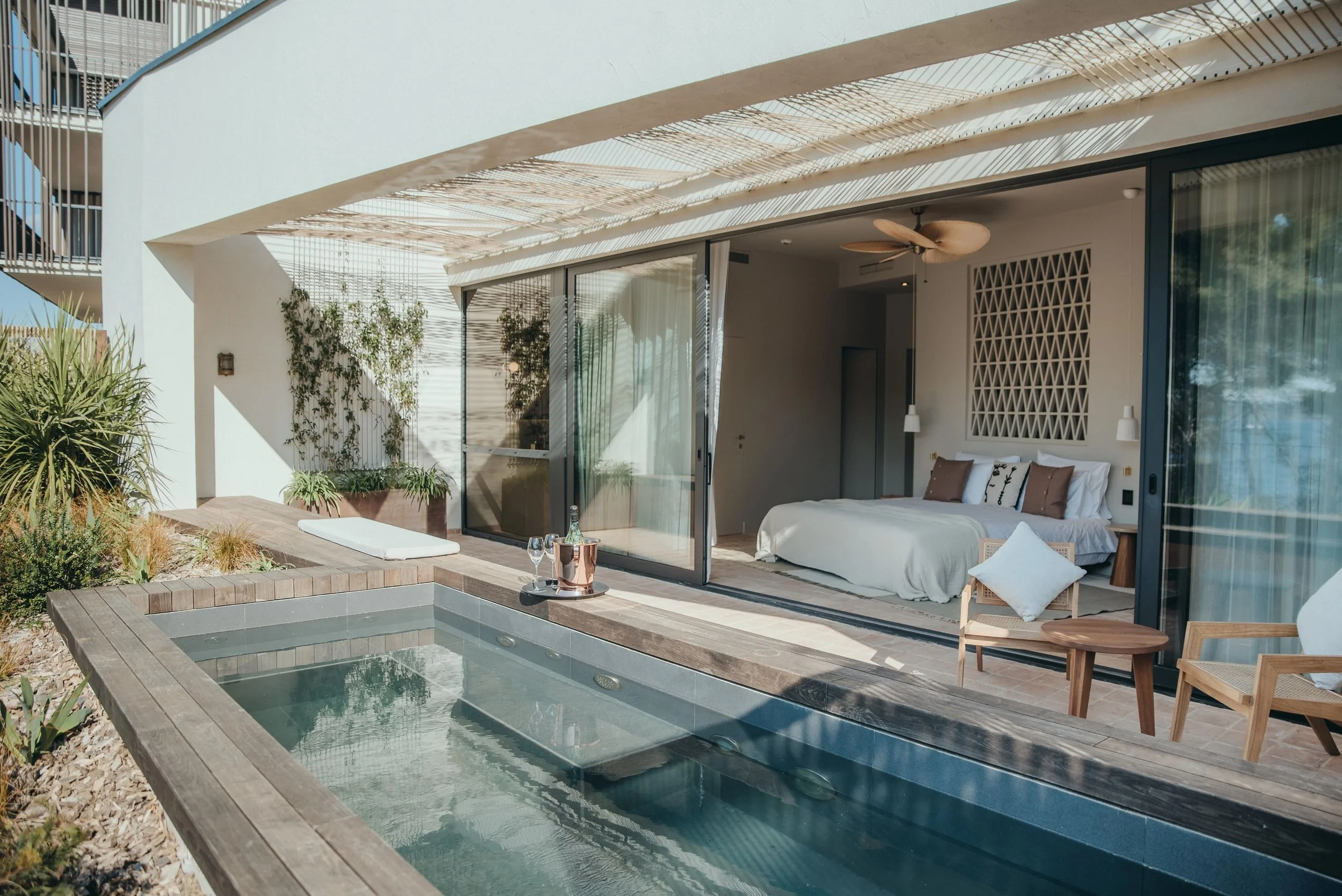
Image courtesy of Maslina Resort
With its reputation for yacht parties and late-night energy, Hvar is Croatia’s go-to island for those who like their summer with a side of sparkle. But it’s not just about the party. You’ll also find sun-bleached stone towns, fragrant lavender fields and tucked-away coves perfect for a midday swim. Wander the elegant, cobbled streets of Hvar Town lined with Venetian architecture and buzzing cafés, hike up to the Fortica Fortress for panoramic views or set sail to the Pakleni Islands for a day of beach-hopping and turquoise bays.
Insider tip: If you need a breather from the buzz, head to the quieter stretch of coastline near Maslinica Bay, where olive trees, pine forest and crystalline water offer a slower, softer side to Hvar.
Where to stay in Hvar
Maslina Resort. Set above a peaceful bay near Stari Grad, this sleek, design-forward hideout is all about earthy tones, organic dining and Adriatic views.
Fora Perks include a $100 hotel credit, daily breakfast, an upgrade and extended check-in/out whenever possible.
For beach goers: Milos
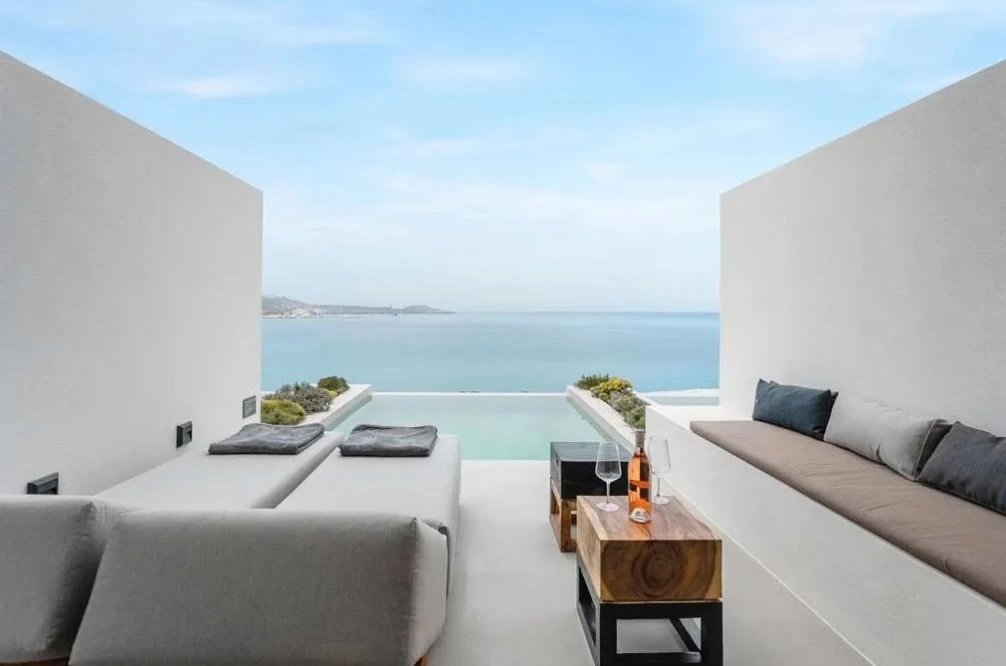
Image courtesy of Domes White Coast Milos
Milos is the Greek destination you want for a relaxed pace plus gorgeous beaches. This volcanic island is a treasure trove of ancient ruins, whitewashed fishing villages and dramatic coastal landscapes. Wander the Roman amphitheatre where the Venus de Milo was discovered, or stroll through Plaka’s cobbled streets to catch sunset over the Aegean. A boat trip is a must — the island’s rugged coastline hides surreal spots like Kleftiko, a chalk-white cove once used by pirates, and Sykia, a collapsed sea cave you can swim inside. On land, check out beaches like the otherworldly Sarakiniko and colorful Firiplaka. And between dips, don’t miss feasting on grilled octopus, tangy xinomyzithra cheese and tomato fritters in laid-back tavernas by the sea.
Insider tip: Milos has over 70 beaches, many only accessible by boat — take a small-group sailing tour for a full-day circuit of secret swimming spots and cliff-jumping coves.
Where to stay in Milos
Domes White Coast Milos. A secluded, adults-only escape perched above the sea, with private plunge pools and front-row seats to Milos’ fiery sunsets.
Fora Perks include a $50–$100 hotel credit, daily breakfast, an upgrade and extended check-in/out whenever possible.
Bonus picks: 5 off-the-radar islands

Lošinj, Croatia
If you’re craving even quieter shores and willing to venture a little farther, these five lesser-known islands and recommended hotels promise deeper solitude, enduring traditions and raw, elemental beauty. The air feels fresher, the pace slows and going off-grid feels entirely natural.
Pantelleria, Italy. Just 32 square miles of lava rock and wild beauty, this remote island between Sicily and Tunisia trades beaches for thermal springs, traditional dammusi homes with white-domed roofs and volcanic serenity. Reachable by ferry or a short flight from Palermo or Trapani.
Sikelia is a striking, grown-up hideaway set in ancient dammuso dwellings with a deep connection to the island's rugged landscape. Fora Perks include a $50–$100 hotel credit, daily breakfast, an upgrade and extended check-in/out whenever possible.<
Muhu Island, Estonia. Life on this scenic Baltic isle moves at its own gentle rhythm. Villagers still bake dense black rye leib bread in wood-fired ovens, wear colorful folk costumes and adorn their cottages with ancient mystical symbols. Accessible by ferry from Saaremaa or a short flight from Tallinn.
Pädaste Manor is a 16th-century estate turned boutique hotel with a Nordic spa and serious farm-to-table focus. Fora Perks include a $50–$100 hotel credit, daily breakfast, an upgrade and extended check-in/out whenever possible.
Lošinj, Croatia. Known as the ‘Island of Vitality,’ this lesser-known Croatian gem boasts over 200 days of sunshine annually and has drawn health seekers since the 19th century, thanks to its famously pure air, healing pine forests and calm Adriatic waters.
Boutique Hotel Alhambra is a restored villa on pine-fringed Čikat Bay featuring sea-view balconies, Michelin-Starred dining and a standout saltwater spa. Fora Perks include a $100 hotel credit, daily breakfast, an upgrade and extended check-in/out whenever possible.
Folegandros, Greece. This tiny, cliff-hugging island in the Cyclades is all about simplicity: whitewashed villages, winding mule paths and cliffside views that seem to stretch forever. Life slows in postcard-perfect Chora, perched high above the Aegean, where long lunches and golden-hour hikes to the Panagia church are daily rituals. Accessible by ferry from Santorini, Milos or Piraeus.
Gundari is a design-forward hideaway with private plunge pools, a sleek spa and standout Greek cuisine by Michelin-Starred chef Lefteris Lazarou. Fora Perks include a $100 hotel credit, a welcome amenity and an upgrade whenever possible.
Gozo, Malta. Sleepier and greener than Malta’s main island, Gozo keeps things slow. Hike past craggy cliffs and salt pans, swim in the clear waters of Ramla Bay and explore baroque churches and Neolithic temples older than the pyramids.
Kempinski Hotel San Lawrenz is a family-friendly resort built from local limestone, featuring al fresco dining, three outdoor pools surrounded by palm trees and one of Europe’s largest Ayurvedic spas. Fora’s Kempinski Club 1897 partner perks include $50–$100 hotel credit, daily breakfast and extended check-in/out whenever possible.